
The days before Christmas bring a wave of shoppers who still have names on their lists. These last-minute buyers are ready to spend, short on time, and looking for businesses that can help them finish quickly. This post explains how local retailers, restaurants, and service businesses can use radio to reach those shoppers during the late-December rush, and turn urgency into sales.
For more than seven decades, 100.9 WIFM has helped local businesses reach customers in Surry, Wilkes, and Yadkin counties, with additional coverage in Alleghany, Ashe, Davie, Forsyth, Iredell, Stokes, and parts of Virginia. That regional reach gives businesses a way to connect with holiday shoppers across several communities at once.

Large national chains have big advertising budgets, but local businesses have advantages those chains cannot buy. Local owners know their customers, understand their communities, and can speak to neighbors in a way a national campaign never will. This post explains how small businesses can use local relevance, community connection, and smart radio advertising to compete with big-box stores and win loyal customers.
Since 1948, 100.9 WIFM has helped local businesses reach customers in Surry, Wilkes, and Yadkin counties, with additional coverage in Alleghany, Ashe, Davie, Forsyth, Iredell, Stokes, and parts of Virginia. Over those years, the businesses that compete best with national chains have leaned into what makes them local.

Some radio ads stay with listeners long after they air, while others fade the moment the next song starts. The difference usually comes down to a handful of choices about message, voice, and detail. This post explains what helps a spot stick, why local voice and local detail make such a difference, and how businesses can apply those lessons to their own advertising.
At 100.9 WIFM, we have served communities across Surry, Wilkes, and Yadkin counties, along with Alleghany, Ashe, Davie, Forsyth, Iredell, Stokes, and parts of Virginia, since 1948. Over those years, the ads that earn a lasting place in listeners' memories have tended to share the same qualities.

January is one of the busiest months of the year for gyms, clinics, and wellness retailers. People make fresh commitments to their health, and many of them start looking for a place to work out, a provider to see, or products that support new habits. This post explains how health and wellness businesses can use radio to reach those buyers before they choose, stay in front of them through the first weeks of the year, and hold their attention after early motivation starts to fade.
For more than seven decades, 100.9 WIFM has helped local businesses connect with customers in Surry, Wilkes, and Yadkin counties, with additional reach into Alleghany, Ashe, Davie, Forsyth, Iredell, Stokes, and parts of Virginia. That regional reach makes radio a practical fit for a wellness business that draws clients from more than one town.

Every weekday morning, thousands of people across the Yadkin Valley climb into their cars, turn the key, and start the drive. Some are heading down I-77 toward Statesville, others are rolling along US 421 toward Winston-Salem, and many are simply crossing the county to get to a job, a jobsite, or a school drop-off. For local businesses, those minutes behind the wheel represent one of the most valuable advertising windows of the day.
At 100.9 WIFM, we have been riding along with foothills drivers since 1948. In this post, we'll look at what current research says about in-car listening, how commuting works across our coverage area, and how your business can use drive time radio NC listeners already trust to stay top of mind on the road.

Every January, many small business owners promise themselves this will be the year their marketing finally feels organized. Then a slow month hits, a competitor runs a sale, or a holiday sneaks up, and the advertising dollars go out in quick, reactive bursts. By December, it is hard to say what worked, what didn't, and where the money went.
There is a better way. Building a year-round plan instead of relying on scattered buys gives your business steady visibility, predictable costs, and a clearer picture of your return. For businesses across the Yadkin Valley and beyond, radio can serve as the steady backbone of that plan. Here is how to put one together, step by step.
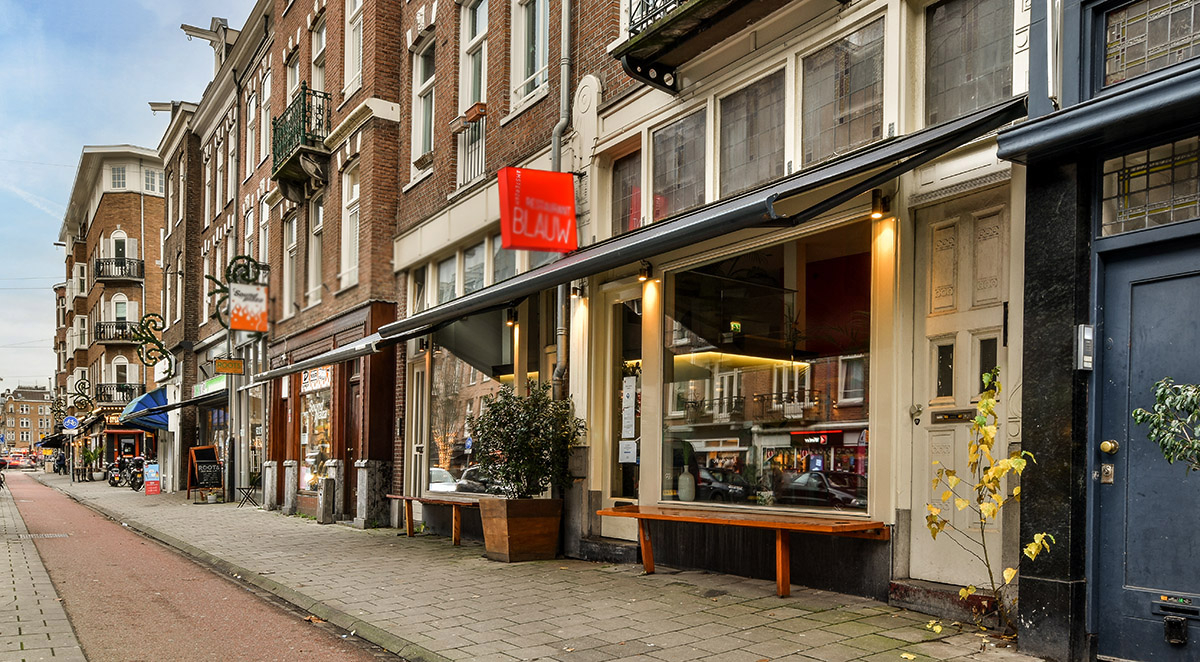
In a large metro area, a business can buy visibility. In the communities across the Yadkin Valley, visibility is earned. People here decide where to spend their money based on what they already know and who they already trust. That reality can feel frustrating to a business owner who has just opened the doors, and reassuring to one who has been serving customers faithfully for years.
The good news is that brand recognition in a small-town market follows a pattern you can work with. It rewards consistency over cleverness, presence over polish, and repetition over reinvention. Since 1948, 100.9 WIFM has watched local businesses build that kind of standing in Surry, Wilkes, Yadkin, and the surrounding counties, and the ones who succeed tend to do the same handful of things well.

Every September, the two-lane roads winding through Surry, Wilkes, and Yadkin counties start filling up with license plates from out of state. Grape harvest gets underway, tasting rooms extend their weekend hours, and the ridgelines of the Blue Ridge foothills begin their slow turn toward red and gold. For local businesses, this is the season when your potential customer base grows well beyond the neighbors you see at the grocery store every week.
The challenge is reaching those visitors while they are still deciding where to eat, shop, and pull over. They are not browsing your website from their living room. They are in the car, moving between vineyards, with the radio on. That one detail should shape every dollar you spend on fall advertising.

Across Surry, Wilkes, Yadkin, and the surrounding counties, plenty of owners trim a good advertising plan down to what the budget allows and move on. The step most of them skip is a phone call to their suppliers. The brands filling their shelves, showrooms, and service trucks often set aside money specifically to help local retailers and contractors advertise those products.
Those dollars are called co-op advertising funds, and they are among the most overlooked resources in local marketing. Every year brands budget for them, and every year a portion goes unclaimed simply because nobody asked. At the close of the fiscal year, whatever is left disappears.

Radio meets people in the middle of their day, at the kitchen counter, on the shop floor, and in the truck on the way to the job site. When a familiar voice mentions your business, it lands less like an ad and more like a recommendation from someone your customers already trust. That difference in tone is often what separates being noticed from being chosen.